Kumbhalgarh Fort – The Great Wall of India A Hidden Wonder to Compete with the Great Wall of China
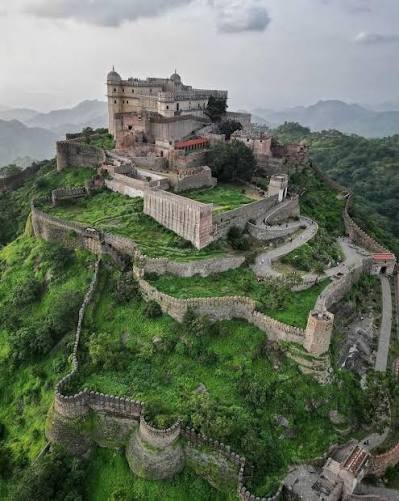
- India is a region of beautiful forts, ancient temples and ageless monuments. While most people know about the spectacular forts of Rajasthan, very few have heard about a remarkable monument concealed in the Aravalli Hills – the Great Wall of Kumbhalgarh.
- It is a gigantic defensive wall, which runs around 36 kilometres (22 miles) around the magnificent Kumbhalgarh Fort in Rajasthan. It is considered the second longest continuous wall in the world after the Great Wall of China. It is named the “ The Great Wall of India ” due to its enormous size and historical importance.
- But this wall is more than a military fortification. It is a symbol of courage, brilliant engineering and determination of Rajputs to safeguard their homeland.Let’s dive into the amazing narrative behind this beauty.
Kumbhalgarh Fort – History
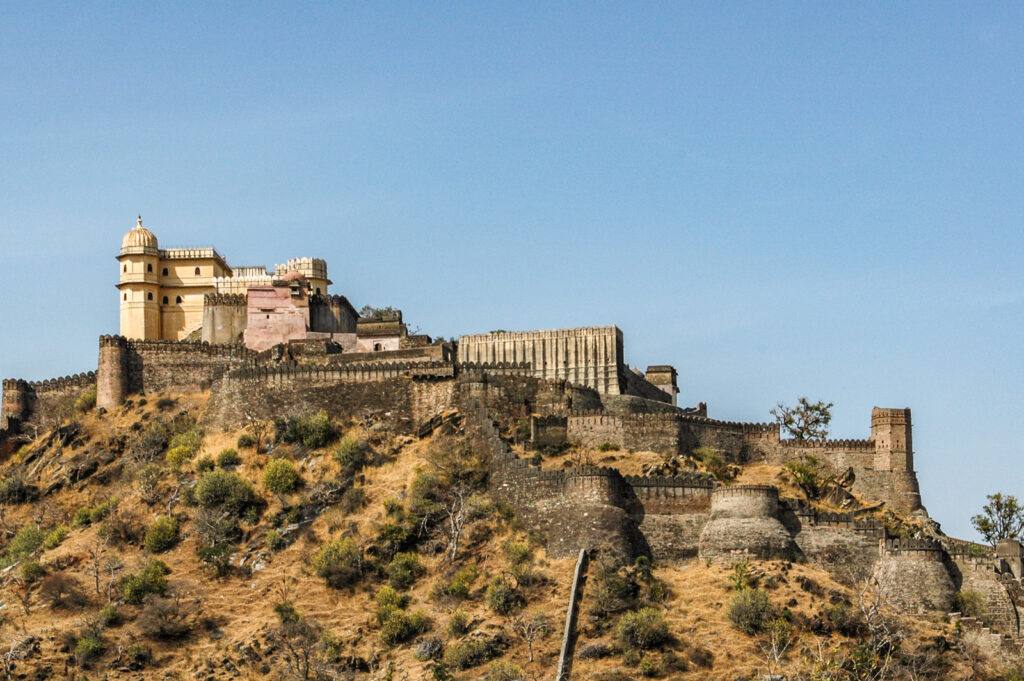
- Kumbhalgarh Fort was built by the renowned Rajput ruler Rana Kumbha of Mewar in 15th century. Construction began around 1443 AD and took nearly 15 years to finish.
- At that time Rajasthan was being invaded again and again. Rana Kumbha sought to create a fort that could face enemy invasions, and also be a secure shelter for his realm. The outcome was Kumbhalgarh Fort, a masterwork of military construction.
- The fort lies at an altitude of some 1,100 meters (3,600 feet) above sea level, which makes it inherently difficult for adversaries to seize.Kumbhalgarh was one of the strongest forts in India and successfully withstood many assaults over the centuries.
India’s Wall of China
- The best thing about Kumbhalgarh is its wonderful defensive wall.The wall is nearly 36 kilometres long, snaking through mountains, forests and rugged surroundings. In some spots it is 15 feet broad, big enough for eight horses to ride abreast.
- The Kumbhalgarh Wall, unlike many mediaeval fortifications, follows the natural curve of the hills. The ingenious architecture made it almost impossible for invading armies to make a direct attack.
- Made of large stones and lime cement, the wall has survived over 550 years of fierce weather and various historical events.
What was the wall for?
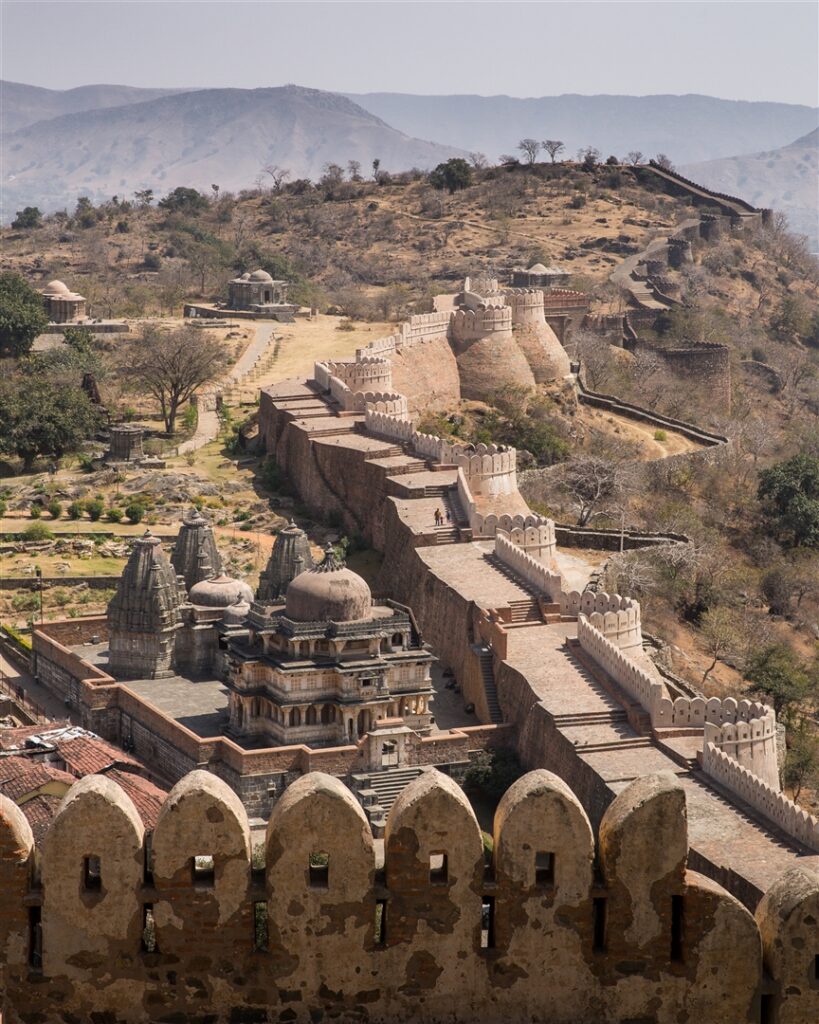
- The wall was built for one main reason – defence.Due to its huge length, soldiers could see enemy activities from a wide distance.
- Along the wall were strategically placed watchtowers so the guards could swiftly communicate if danger was approaching.
- There were massive gates and steep mountain slopes, and the fort was very hard for invading soldiers to get into
- These defences made Kumbhalgarh among the most secure forts in the history of India.
Maharana pratap birthplace
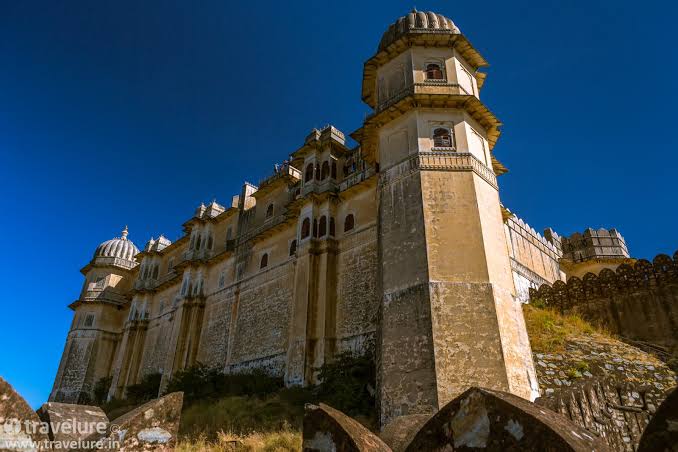
One of the main reasons why Kumbhalgarh occupies a unique position in the annals of Indian history is that it is the birthplace of Maharana Pratap, one of the greatest warrior rulers of India.
Maharana Pratap was born around 1540. He was a symbol of bravery, freedom and opposition to the Mughal Empire.Visitors from across the country come to Kumbhalgarh today to see the birthplace of this great Rajput hero.
World Heritage Site UNESCO.
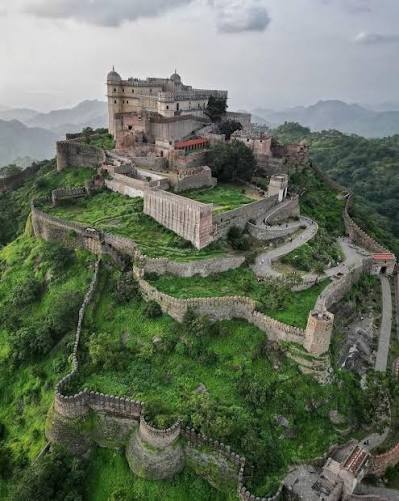
- Kumbhalgarh is not just significant in Indian history.
- UNESCO inscribed the Kumbhalgarh Fort as one of the Hill Forts of Rajasthan in 2013, which was a testimony to its great historical and architectural importance.
- This global prominence has helped preserve the fort for future generations and bring travellers from around the world.
The Great Wall of Kumbhalgarh is among the best engineering marvels of India and a symbol of Rajput pride. Its 36 kilometre long wall is awe-inspiring, its connection to Maharana Pratap is impressive and it is a UNESCO World Heritage Site. Every inch of Kumbhalgarh offers a story of resilience, sacrifice and resolve.
History buffs, architecture lovers or explorers of India’s hidden riches should put Kumbhalgarh on the top of their vacation list. Standing on its enormous walls, and looking across Aravalli Hills, you will soon see why it is rightfully nicknamed “The Great Wall of India”.
You may also read this: Taj Mahalhttps://historicalpedia.com/taj-mahal-history-the-complete-story-behind-indias-monument-of-eternal-love/


