Begum Samru: The Extraordinary Woman Who Rose from a Dancer to a Powerful Queen
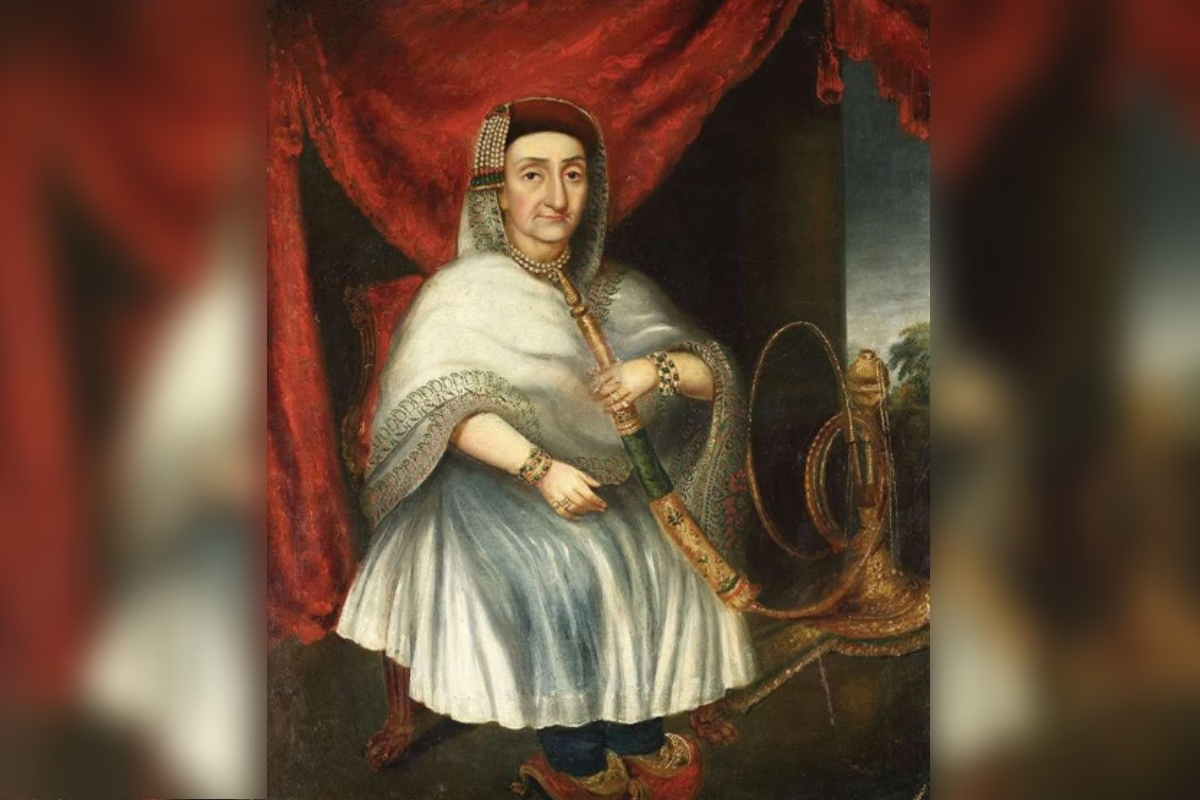
Indian history is filled with great personalities, but few are as enchanting as samru begum. Born as Farzana Zeb-un-Nissa around 1753. she changed her life from simple to one of the power, diplomacy and millitary leadership. she ruled the small town of sardhana, near Meerut Uttar pradesh. For nearly six decades and become one of the most influential woman of the 18th centurary.Her story is unique blend of courage, political intelligence and determination that continously inspire historians.
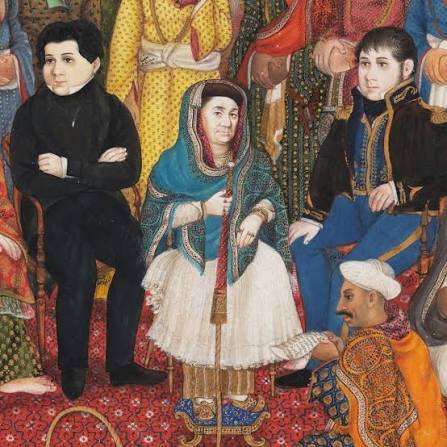
Early Life
- Samru begum was born as Farzana Zeb-un-Nissa in 1753. After the death of her parents she moved to delhi, where she eventually became a court dancer (nautch). During this period, she met the European mercenary Walter Reinhardt Sombre, who served various Indian rulers.
- Farzana became his companion and accompanied him on military campaigns across northern India. This relationship marked the beginning of her from a court dancer to a Ruler.
Rise to Power
- When Walter Reinhardt Sombre died in 1778, many assumed his military estate would crumble. Rather, Farzana inherited the jagir of Sardhana and assumed command of his well-trained army.
- Despite facing opposition from other nobility and military officers, she proved herself to be a great leader. She strengthened her administration, restructured her army, and gained the confidence of European officers as well as Indian monarchs.
- She quickly gained widespread recognition as Begum Samru, a title formed from her husband’s last name, “Sombre,” which eventually became “Samru.”
Military Leadership
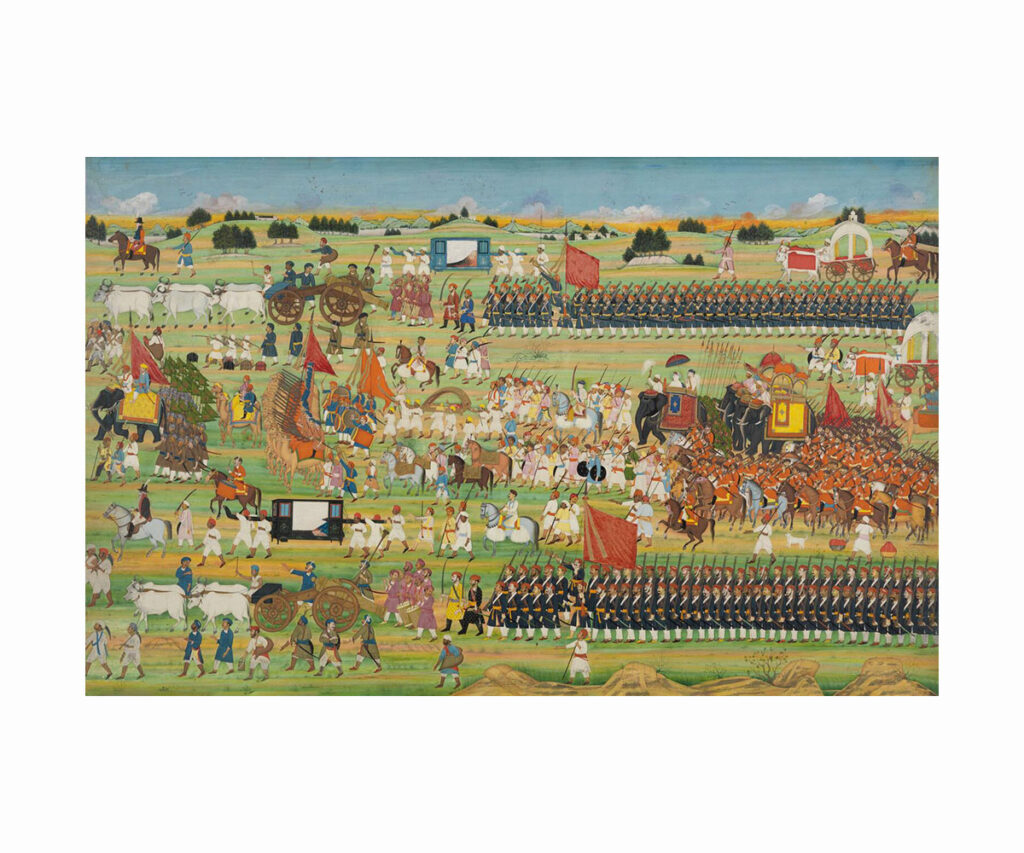
- Begum Samru had one of the most disciplined private armies in North India. Her army consisted of Indian soldiers and leaders trained in Europe and equipped with modern equipment. She was present in person on battlefields, and led her troops in military engagements, unlike many of her contemporaries.
- Her army fought alongside Mughal monarchs in several major battles, helping to keep peace during a period when the Mughal Empire was quickly crumbling. Her courage and leadership garnered her the admiration of friends and foes alike.
Conversion to Christianity
- One of the most amazing chapters of Begum Samru’s life was her conversion to Roman Catholic Christianity in 1781. She was baptised and took the name Joanna Nobilis Sombre.
- She made friends with individuals of other religions while also embracing a new faith, and ruled over a varied community. She was one of the more liberal rulers of her period, and her administration was tolerant of religion.
Diplomatic Skills
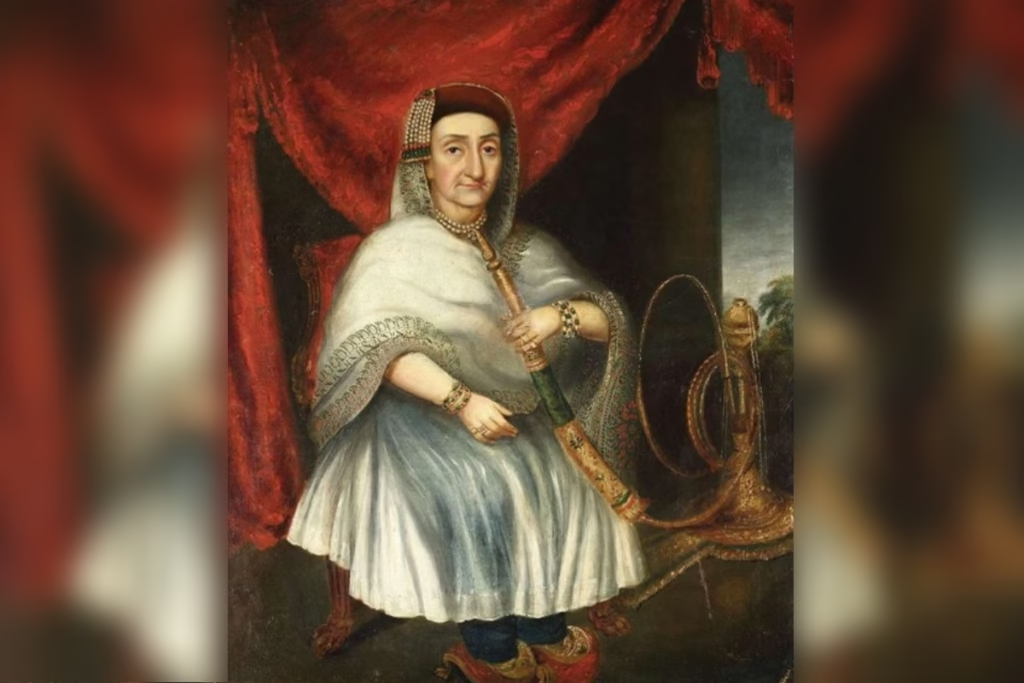
- Begum Samru’s life was formed in a period of bitter political rivalry between the Mughal Empire, the Marathas and the British East India Company.
- She played the great powers off against each other very adroitly . Not just with the sword.Many neighbouring states fought for decades just to survive, but Sardhana, thanks to her diplomatic skill, prospered and remained relatively independent.
- Her political skills were a major factor in her long and successful reign.
Architecture and Legacy
- Begum Samru was a great patron of architecture and public work. Her most important architectural contribution is the magnificent Basilica of Our Lady of Graces at Sardhana, completed in the early 19th century. It is one of the most impressive Catholic monuments in India and contains her tomb.
- She constructed mighty palaces and promoted education and welfare in her domain and left behind a lasting cultural legacy.
Death
- Begum Samru died at Sardhana on 27 January 1836, having ruled for almost 58 years. She left a rich estate, a rigorous military tradition and an extraordinary example of women’s leadership in Indian history.
- Though not as well remembered as many other figures in history, she is considered by historians to be one of the most remarkable women rulers of pre-colonial India.
Begum Samru’s life is one of the most extraordinary stories in the history of India. Come from small beginnings, she was a fearless military leader, a shrewd diplomat and a respected ruler in one of India’s stormiest times. Her accomplishments broke through the social conventions of her day and proved that with determination, courage, and leadership, one can overcome even the greatest of challenges.
Begum Samru today is a symbol of resilience and political acumen and deserves to be much better known in the history of India.


