Buxi Jagabandhu: The Forgotten Hero Who Led India’s First Major Revolt Against British East India Company
When we talk about India’s freedom struggle, names like Bhagat Singh, Rani Lakshmibai, and Mangal Pandey often come to mind. But decades before them, a brave warrior from Odisha had already challenged British rule with unmatched courage. His name was Buxi Jagabandhu, one of India’s earliest freedom fighters and the leader of the historic Paika Rebellion of 1817.Although his contribution is not widely known across the country, Buxi Jagabandhu’s story deserves to be remembered as an important chapter in India’s journey towards independence.
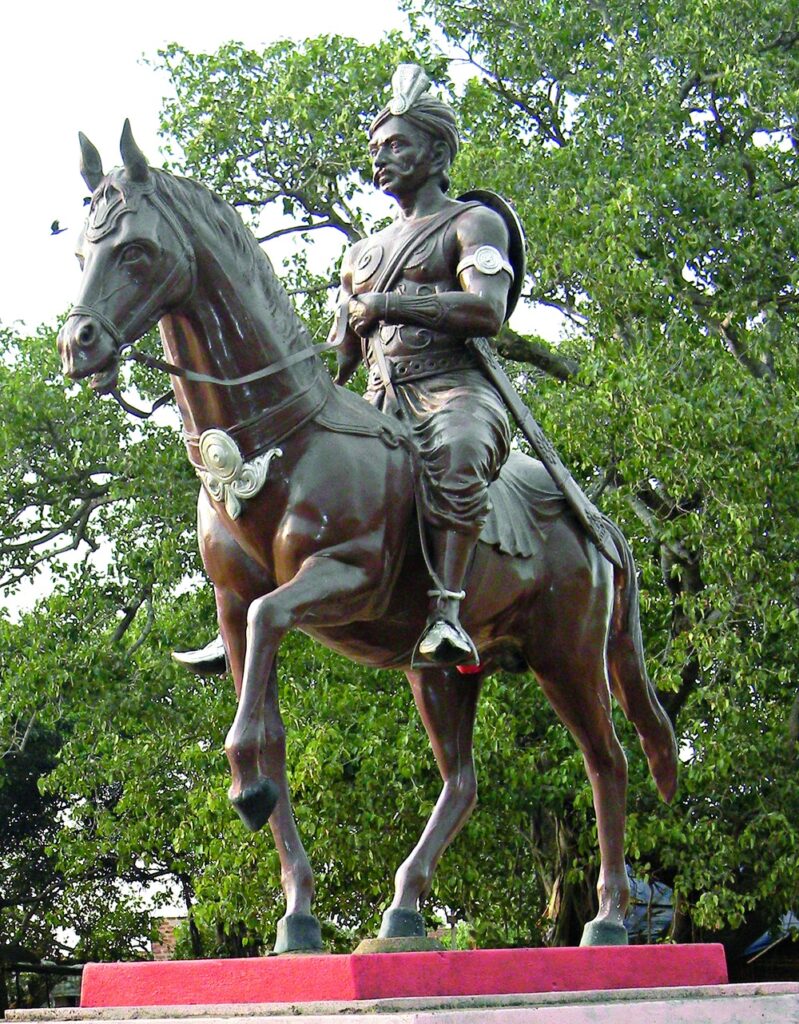
Who Was Buxi Jagabandhu?
- Buxi Jagabandhu, whose full name was Jagabandhu Bidyadhara Mohapatra Bhramarbara Raya, was born into a respected aristocratic family in the Kingdom of Khurda, present-day Odisha.
- The title “Buxi” was inherited from his ancestors. It was not a personal name but a military rank, equivalent to the commander of the king’s armed forces. This position was considered second only to the king in authority.
- For generations, his family had been granted large estates and tax-free lands in recognition of their military service to the Kingdom of Khurda. These lands were the primary source of their livelihood and status.
The British Policies That Changed Everything
- tion and eventually led to one of the earliest organised uprisings against British rule.After the British East India Company gained control over Odisha, it introduced new land revenue policies that severely affected the local population.
- The British confiscated the tax-free lands that had been granted to the Paikas, the traditional warrior class of Odisha. Since the British no longer required their military services, they saw no reason to continue these privileges.
- Buxi Jagabandhu also lost his ancestral estate, forcing him into financial hardship. He had to depend on the support of the local people to survive.
- At the same time, farmers, zamindars, and common villagers suffered because of heavy taxes and unfair revenue demands. The increase in salt prices further added to the public’s anger.
- These unjust policies created widespread dissatisfaction.
The Paika Rebellion of 1817
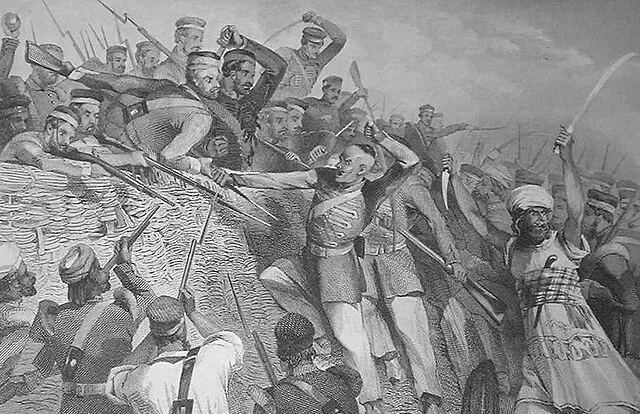
- In 1817, Buxi Jagabandhu united the Paika warriors, tribal communities, farmers, and ordinary people to fight against British rule.
- The rebellion began in the Khurda region and soon spread across different parts of Odisha. Jagabandhu was supported by nearly 400 brave Kandha tribal warriors from Banapur and Ghumusar.
- The rebels attacked British government offices, police stations, and treasuries. Several government buildings were destroyed, and the movement quickly gained support from the local population.
- For many people in Odisha, this was not just a rebellion—it was a fight to protect their land, dignity, and freedom.
Why the Rebellion Could Not Succeed
Despite their courage, the Paika warriors faced a powerful British army equipped with modern weapons and better military resources.The rebels were fewer in number and lacked sufficient supplies. As British forces intensified their operations, many Paikas retreated into forests and continued their resistance through guerrilla warfare.Eventually, several leaders and fighters were captured. Many were tried and executed, bringing the rebellion to an end.
Imprisonment and Death
- Buxi Jagabandhu continued resisting British rule for several years after the rebellion.
- In 1825, he was finally captured by the British and imprisoned. He spent the last years of his life in jail and passed away in 1829.
- Although he did not live to see India become free, his sacrifice inspired future generations to continue the struggle against colonial rule.
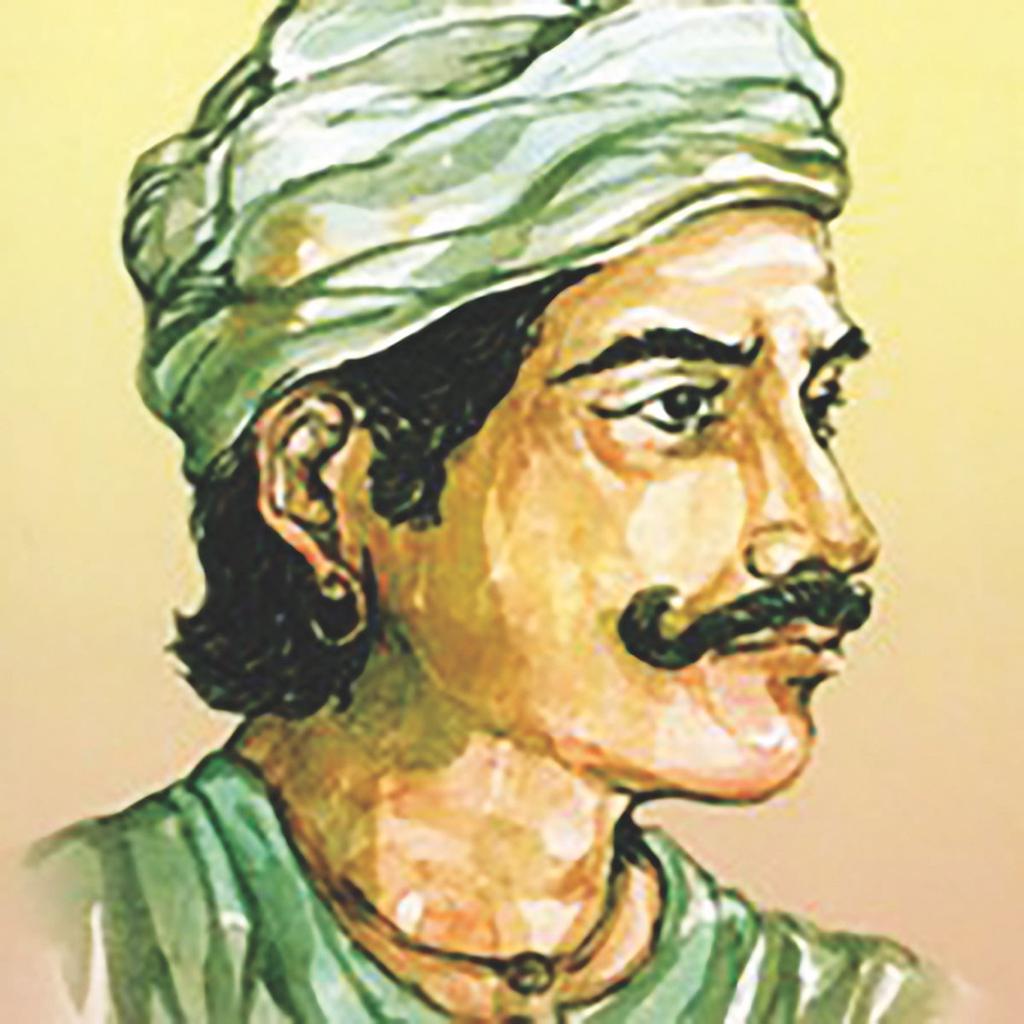
Why Buxi Jagabandhu Matters Today
The Paika Rebellion is regarded by many historians as one of the earliest organised armed uprisings against British rule in India. It took place forty years before the Revolt of 1857 and reflected the growing resistance against colonial policies.
Buxi Jagabandhu’s leadership united warriors, tribal communities, farmers, and common citizens under a common cause. His story reminds us that India’s freedom movement was shaped by countless unsung heroes from every region of the country.
Today, his legacy continues through institutions like Buxi Jagabandhu Bidyadhara (BJB) College in Bhubaneswar, named in his honour. His life remains a symbol of courage, sacrifice, and patriotism.
Buxi Jagabandhu was not just a military commander—he was a fearless leader who stood against injustice at a time when opposing the British Empire demanded extraordinary bravery.
His role in leading the Paika Rebellion of 1817 makes him one of India’s earliest freedom fighters. While history may not have given him the recognition he truly deserves, his contribution to India’s struggle for freedom remains unforgettable.
As we celebrate the heroes of our nation, it is important to remember pioneers like Buxi Jagabandhu, whose courage laid the foundation for the long fight that eventually led to India’s independence.


